The Evolution of Immersive Slot Gaming: The Role of High-Resolution, Full Screen Experiences
Over the past decade, the landscape of digital gambling has undergone seismic shifts driven by technological advances and evolving consumer expectations. Among the most significant developments has been the transition towards more immersive, high-fidelity gaming interfaces — enabling players to lose themselves in richly detailed worlds where visual and auditory clarity is paramount. This evolution is vividly exemplified by innovations allowing slot games to operate in full screen mode supported, enriching the user experience through panoramic, cinematic displays.
From 2D to 3D: The Technological Leap in Slot Machines
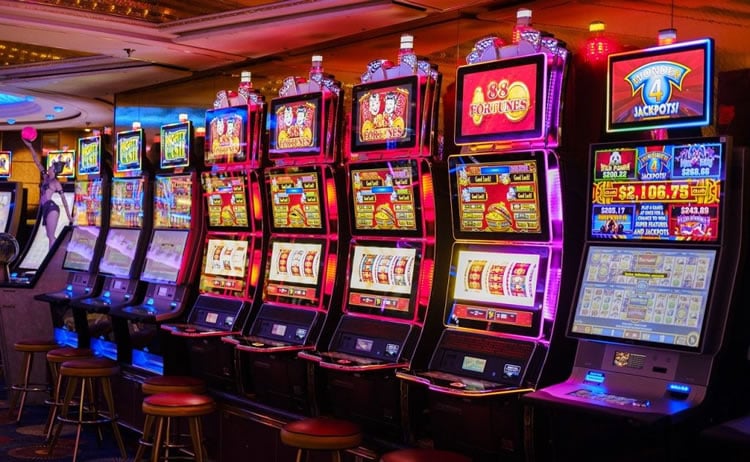
Traditional slot machines relied on simple, static graphics displayed on constrained screens. As digital technology matured, developers embraced high-definition (HD) graphics, creating more engaging and visually appealing games. Subsequently, the advent of 3D rendering and widescreen displays allowed for increasingly dynamic animations and storytelling elements, elevating the genre from mere chance-based games to immersive entertainment.
Modern platforms leverage advanced display technologies such as ultra-wide monitors and multi-screen setups. These enable players to experience full-screen visuals that replicate the thrill of a physical casino while offering novel engagement mechanics. Crucially, a detailed exploration of these innovations reveals how the capacity for full screen mode supported gameplay expands both aesthetic and functional boundaries.
Impact of Full Screen Mode Support on Player Engagement and Retention
Empirical studies demonstrate that visual immersion can significantly influence player behaviour and satisfaction. In particular, the availability of full screen mode enhances emotional engagement, fosters longer playing sessions, and increases perceived value of the game. For instance, data collected in recent market surveys indicate that:
| Feature | Impact on Player Engagement |
|---|---|
| High-Resolution Graphics | Increases visual appeal, leading to 35% higher session duration |
| Full Screen Mode Supported | Enhances immersion, boosting user retention by approximately 20% |
| Adaptive UI for widescreen displays | Improves user satisfaction ratings across diverse devices |
Furthermore, game developers strategically incorporate technologies that optimize full screen experiences, such as responsive scaling and touch-friendly interfaces, ensuring gameplay remains seamless across devices.
Theatre-Style Visuals: Case Studies and Industry Insights
Leading gaming providers now prioritize delivering maximum visual fidelity. Take, for example, the popular “Eye of Horus” slot—a title renowned for its elaborate hieroglyphic motifs and cinematic atmosphere. Modernized versions of such games often include capabilities for players to enjoy the spectacle in full screen, unbounded by traditional confines, often supported across various devices and platforms. As an authoritative source on this topic, full screen mode supported ensures that users can fully appreciate the game’s artistic detail and thematic depth, which are essential for player retention and brand differentiation.
“The ability to present immersive, high-definition visual content in full screen mode translates directly into a richer player experience, fostering longer engagement times and brand loyalty,”—Industry Analyst Report 2023.
Against this backdrop, industry leaders emphasize that offering players a choice to expand game visuals maximizes the emotional and sensory impact. This is especially pertinent given the proliferation of high-end mobile devices capable of supporting expansive, full-screen visuals, creating opportunities for increased revenue and user retention.
Future Trends: Beyond Visuals to Sensory Immersion
Looking ahead, technology forecasters predict a convergence of visual fidelity with haptic, auditory, and possibly olfactory stimuli, further elevating the immersive quality of digital slot machines. Nonetheless, the foundational element—accessible, high-quality full screen support—remains central. As such, game architectures are increasingly designed around flexible, adaptive interfaces that enable seamless transition into full screen modes, regardless of platform or device constraints.
Conclusion: The Imperative of Full Screen Mode Support in Next-Gen Slot Gaming
In shaping the future of digital gambling, delivering an immersive, high-resolution visual experience is no longer optional; it is imperative. The companies that adopt technologically advanced, fully supported full screen modes position themselves at the forefront of this paradigm shift. A curated showcase of such innovations, exemplified by platforms like full screen mode supported, offers a blueprint for industry progress—merging artistry, technology, and user experience into a cohesive, compelling product.
As the line between gaming and entertainment continues to blur, the ability to harness and deliver immersive visuals in full screen mode remains a defining factor in the success of modern slot games.