How to Spot and Avoid Common Fake or Unlicensed Classic Slot Games
Table of Contents
- Key Indicators of Authenticity in Slot Game Licensing and Branding
- Technical Clues to Differentiate Genuine from Fake Slot Machines
- Legal and Regulatory Considerations for Slot Game Legitimacy
- Practical Strategies for Players to Recognize Fake Classics
- Tools and Resources for Authenticating Slot Games
Key Indicators of Authenticity in Slot Game Licensing and Branding
Verifying Licensing Authorities and Certification Marks
One of the most reliable ways to determine if a classic slot game is genuine is by verifying its licensing credentials. Reputable slot developers and casinos display certification marks from recognized authorities such as the Malta Gaming Authority (MGA), Gibraltar Regulatory Authority, or the UK Gambling Commission. These organizations enforce strict standards for licensing, security, and fairness. For instance, a licensed game will often feature a visible certificate or logo on the game’s interface that links to the licensing authority’s database. A fake game, on the other hand, might display a counterfeit or no licensing mark at all.
Data from industry audits shows that licensed games tend to have fewer compliance violations (Gaming Regulatory Report, 2022). Always check the licensing authority’s official website to verify the license number when possible.
Assessing Developer Reputation and Industry Recognition
Authentic classic slots are typically developed by well-established companies with a track record of producing fair and secure games, such as NetEnt, Microgaming, or Playtech. These developers are recognized by international industry awards and participate in certification programs. If a game claims to be from a reputable developer but lacks any mention of the developer’s name or shows suspicious branding, it warrants suspicion.
For example, Microgaming’s famous titles, like the classic ‘Mega Moolah,’ are known for their transparency and regulatory compliance, supported by extensive industry recognition. Conversely, unrecognized or newly formed developers with no verifiable portfolio are common sources of fake games.
Spotting Authentic Logos and Trademark Usage
Authentic slot games use properly registered trademarks and logos, which often appear crisp and accurate. Counterfeit games may display low-resolution logos, misspelled brand names, or altered trademarks to falsely suggest legitimacy. Always cross-reference the logos with official sites or licensing documents. “Companies invest in professional branding; any deviation or inconsistency is a red flag,”
notes industry analyst David Chen.
Technical Clues to Differentiate Genuine from Fake Slot Machines
Analyzing Software Security Features and Encryption
Genuine slot games incorporate advanced security measures such as SSL encryption and software obfuscation to prevent tampering and cheating. Fake games often lack these features, displaying vulnerabilities like outdated encryption protocols or unsecured data transmission. For example, a legitimate game from a licensed provider will use secure server connections, which you can verify via browser security indicators or through third-party tools.
Modern cryptographic techniques, such as AES encryption, protect player data and payout records, making fraudulent manipulations much more difficult—something often absent in counterfeit versions.
Examining Game Interface Consistency and Quality
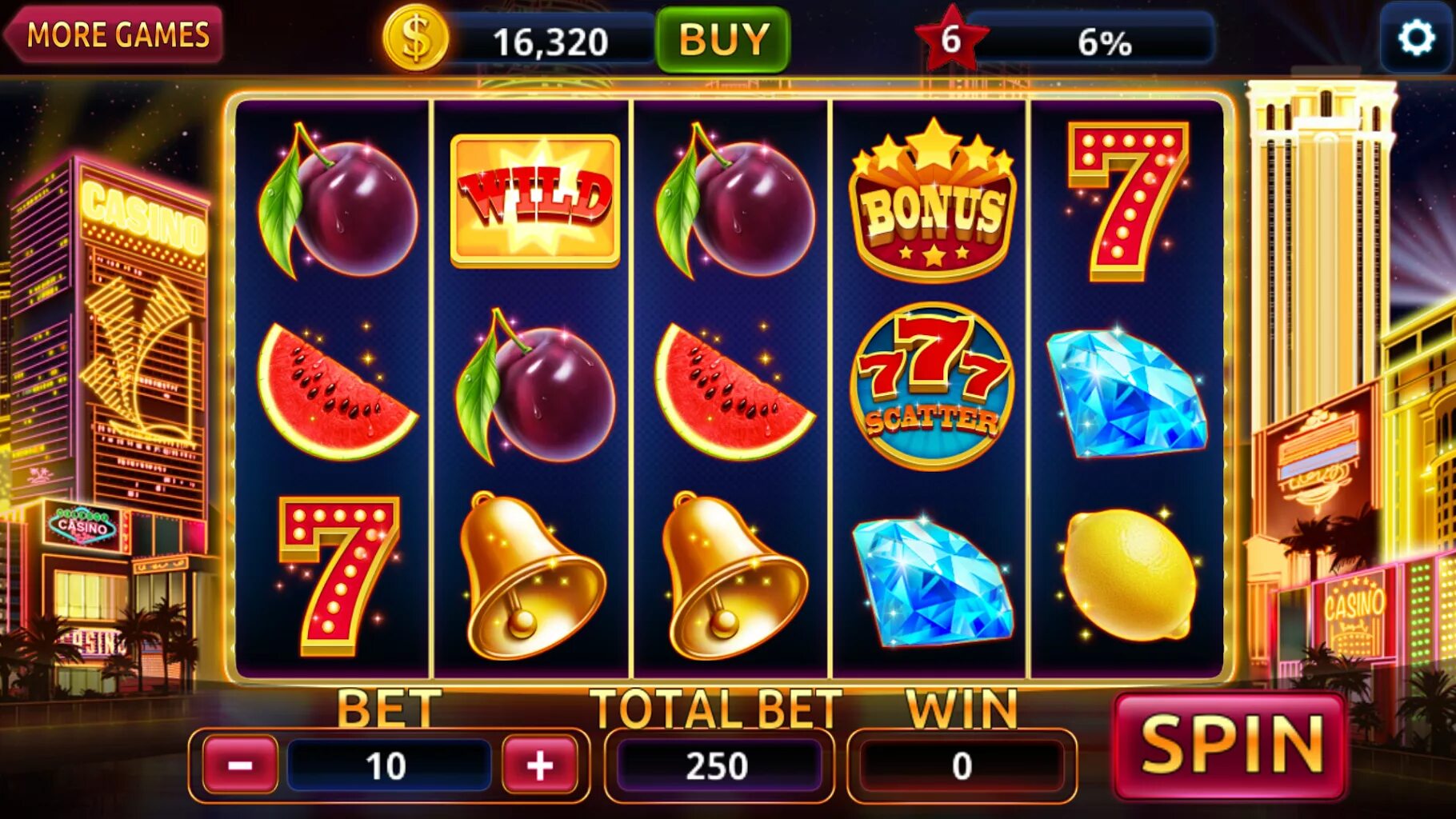
Authentic classics feature polished graphics, consistent sound effects, and smooth animations. Fake games usually show pixelated images, mismatched soundtracks, or choppy gameplay. For example, a licensed game might replicate the nostalgic feel of a physical slot machine with high-resolution symbols and coherent audiovisual synchronization. In contrast, fake games often present low-quality visuals that hint at rushed or unofficial development.
| Feature | Genuine Slot Game | Fake Slot Game |
|---|---|---|
| Graphics Quality | High-resolution, detailed symbols | Poor, pixelated images |
| Sound Effects | Professional, consistent sound design | Mismatched or poor-quality sounds |
| Animation Smoothness | Fluid and seamless | Choppy or lagging |
Checking for Regular Software Updates and Support
Legitimate slot games are maintained with periodic software updates to improve security, fix bugs, and incorporate new features. Games from unlicensed sources often remain static and lack updates. Confirm whether the game or platform provides regular support and patches, which indicates ongoing legitimacy. For example, an authentic provider such as NetEnt routinely releases updates documented on their official website, while counterfeit versions remain unchanged after initial launch.
Legal and Regulatory Considerations for Slot Game Legitimacy
Understanding Jurisdictional Licensing Requirements
Legal slot games operate within jurisdictions that enforce licensing standards ensuring fairness and player protection. If a game claims to be licensed but operates outside recognized regulatory frameworks, it’s suspicious. For example, the jurisdiction should be clearly indicated, such as “Licensed by Malta Gaming Authority,” and the license details should be verifiable on the authority’s official registry.
Unlicensed or offshore jurisdictions with minimal oversight often host fake games designed to evade regulation, increasing the risk of unfair payouts or data breaches.
Identifying Red Flags in Unlicensed Game Offerings
Red flags include games appearing on unverified platforms, offering unrealistic bonuses, or lacking clear licensing information. These features often indicate unregulated or illegal operations. Be wary of sites that do not display licensing logos or that have inconsistent terms and conditions.
Using Official Regulatory Databases for Verification
To verify a game’s legitimacy, consult official regulator databases like the Malta Gaming Authority or UK Gambling Commission websites. Many regulators provide searchable databases where you can input a license number to confirm authenticity. For example, a quick search revealing a license discrepancy spotlights a fake or unlicensed game.
Practical Strategies for Players to Recognize Fake Classics
Recognizing Suspicious Payment and Bonus Terms
Fake or unlicensed games often have dubious payment methods, such as requiring direct bank transfers outside regulated platforms, or bonuses with unrealistic wagering requirements. For instance, an offer promising 1000x wager return is often a warning sign. Always read the fine print and confirm if bonuses are supported by licensed operators.
Detecting Poor-Quality Graphics and Sound Effects
As previously noted, subpar visuals and sound design are common in counterfeit games. When playing, if graphics look outdated or sound effects are mismatched, it’s likely a fake. Authentic classics tend to emulate the aesthetic of physical machines, thanks to professional design standards.
Noticing Inconsistent Game Mechanics or Payouts
Fake games may feature irregular payout structures or mechanics that deviate from standard rules. For example, payout percentages significantly below industry averages (usually 95% or higher) suggest cheating or unlicensed operation. Test the game’s payouts with small bets and compare results over time against reputable sources.
Tools and Resources for Authenticating Slot Games
Utilizing Third-Party Certification Services
Third-party auditors like eCOGRA and iTech Labs verify the fairness and security of online slots. Many licensed platforms prominently display certification seals from such services, providing confidence in game legitimacy. For example, eCOGRA certification ensures that the game undergoes rigorous testing for RNG fairness and payout accuracy.
Consulting Industry Reports and Player Feedback
Reviews, industry reports, and player forums can reveal common signs of fake games. Communities like Casinomeister or Trustpilot provide insights into which platforms and games are trustworthy. Be cautious when multiple reports mention suspicious behavior or unfair payout practices.
Employing Anti-Fraud Software and Browser Extensions
Utilities like ScamAdviser or browser extensions designed for online gaming can help detect counterfeit sites or malicious software. These tools analyze site security, domain reputation, and compliance status, giving an added layer of protection when verifying game authenticity. For those seeking reliable platforms, it’s also helpful to check out resources that review and rate online casinos, such as http://makispin.casino.
“Knowledge is your best defense against fake slot games. Always verify, research, and choose licensed platforms for a safe gaming experience.”